
Always Improving: 2026 Renovations
Each Branson off-season, we seek to upgrade our guests museum experience by continually evaluating our facilities and exhibits. This year was no exception!

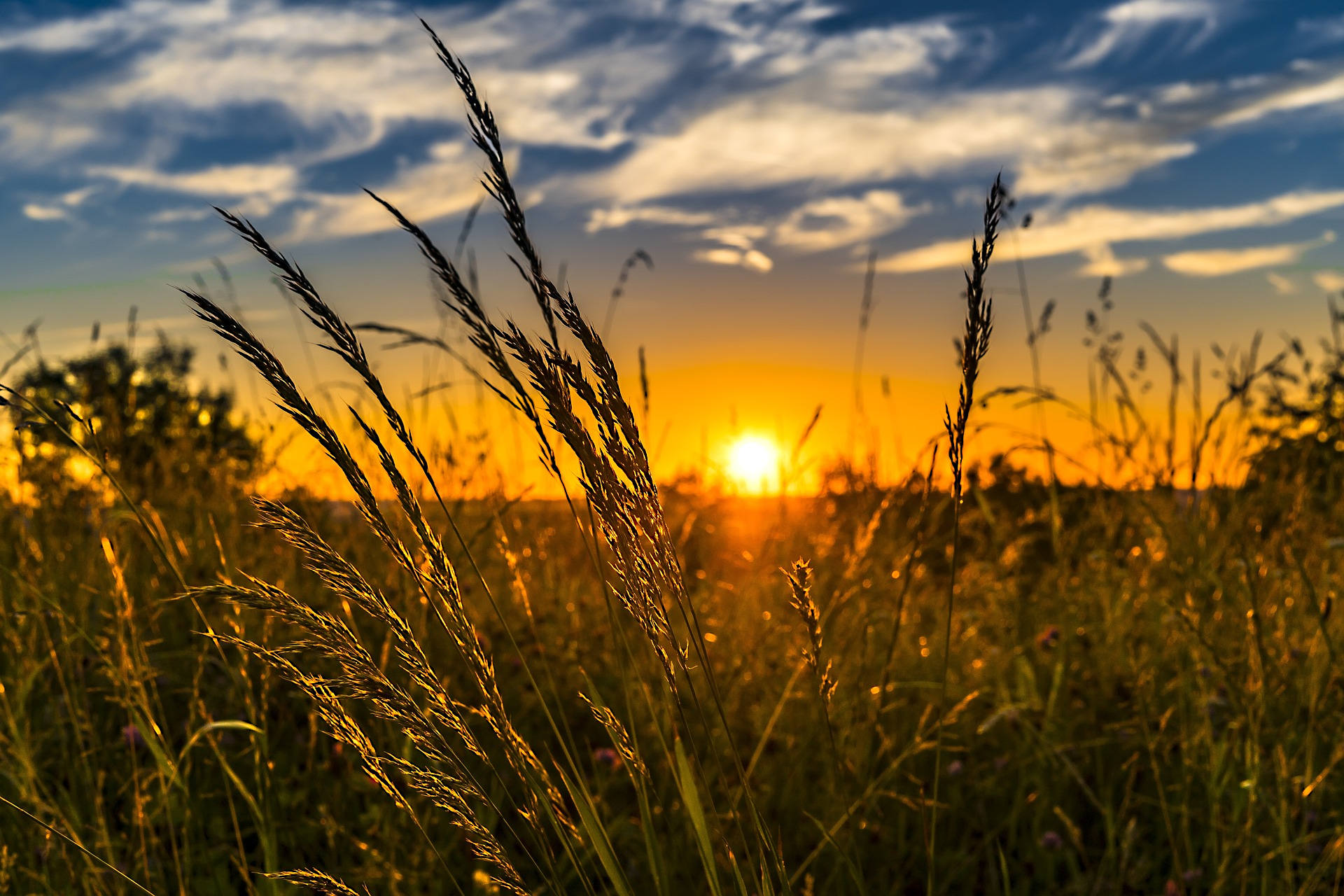
At this time of year when lawns across the nation are largely dormant, grass may not stand out as one of God’s amazing gifts to man. However, this humble group of plants deserves some special time in the spotlight. You might just be surprised at the variety and value of these overlooked blessings.
True grasses (Family Poaceae) form one of the largest families of plants in the world. From foods like wheat and barley to turf grasses and pastures, grasses constitute an amazing variety of the greenery on earth that makes life possible. In this article, we want to take a look at some of the foods, fibers, and soil benefits that these plants give us, as well as their role in glorifying the Creator.
Believe it or not, grasses form a major part of the human diet, accounting for over half of our calorie consumption. No, I’m not talking about munching away on your lawn: Cereal grasses include important staple varieties like wheat, corn (maize), rice, barley, oats, millet, and rye.
Take a moment to think about how many of these you’ve consumed in the last week (or 24 hours, for that matter!) in some form or another. But the news gets sweeter. The amazing variety of grasses God made includes sugarcane and sorghum, both of which are true grasses with an above average ability to convert sunlight to the sugars that so many people enjoy.
Beyond the Poaceae options that find their places directly on our plates, many species find their way to our stomachs via steaks and lamb chops. These pastureland species aren’t generally on the menu for humans, but our herbivorous friends thoroughly enjoy the feast, allowing us to convert some of those carbohydrates to proteins and round out our dinner selection. Regardless of whether we ever consume the end product, many animals are supported by the leaves of these sunlight-harnessing players.
 Members of the grass family also serve mankind in other ways. Anywhere from the children of Israel making bricks with straw in Egypt (see Exodus 5) to the use of reeds and fibers around the world for thatching and weaving, grasses offer more than just food. Bamboo, especially, plays an important role internationally in construction, both as scaffolding and even as a main housing material in some regions. Our Creator God saw fit to design grasses to be both edible and buildable, but He also created them with some more incredible attributes.
“And God said, Let the earth bring forth grass, the herb yielding seed, and the fruit tree yielding fruit after his kind, whose seed is in itself, upon the earth: and it was so” (Gen. 1:11). When God commanded the earth to bring forth grass, He knew what He was doing, and it’s interesting that as the grass covered the ground, it also began to protect it. The fibrous root systems of grasses and other monocots do an excellent job at holding soil in place, soil that contains minerals and nutrients that plants (and life in general) need. Grasses don’t just hold the ground steady, however. Their very presence serves as a living mulch for the soil, helping stabilize surface temperatures and retain soil moisture from excessive evaporation. Further, any dead leaves and stems dropping to the surface add to the layer of healthy, decomposing organic matter, feeding microbial life and maintaining or even improving the soil as it goes. Again, God knew what He was doing.
 With that in mind, what is the point of talking about grass in a creation science newsletter? They are certainly a special group of plants, but what’s the takeaway? For one thing, they (along with many other organisms) cast their vote in favor of a Biblical, young-earth worldview. For years, evolutionists stated that grass evolved post-dinosaur, but findings of grass remains in dinosaur dung in the early 2000s flipped that narrative.(1) Evolutionists have since adjusted their chronology, but the discovery still highlights how the evolutionary worldview led to wrong assumptions.
Even greater than their role in the creation-evolution debate, grasses showcase the wisdom and care of the Creator. Rather than the work of random chance, they reveal the handiwork of a master Designer. As we stand in awe– bit by bit–of God’s creation, we gain a greater understanding of His power, His wisdom, and His love for us. In this way, the humble grandeur of grass brings glory to God. So, next time you step out onto your lawn, take some time to praise God. He is worthy.
Each Branson off-season, we seek to upgrade our guests museum experience by continually evaluating our facilities and exhibits. This year was no exception!
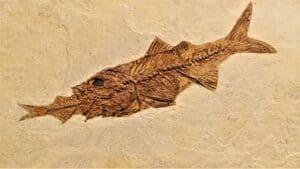
The fossil record is full of mystery. Bones tell us what once lived, but rarely do they tell us how those creatures lived, fought, or gave birth. On rare occasions, however, the fossil record reveals a scene frozen in time. These fossils, preserved “in motion,” reveal not only fascinating glimpses of animal behavior but also evidence of sudden, catastrophic burial.

2025 was a great year for the Creation Experience Museum! Here are some exciting words about our vision for the ministry in 2026!

“Evidence. People say they will believe something if there is enough evidence. But on certain subjects many have a priori already made up their minds and are unwilling to change.”