Rainforests of the Ocean
“O LORD, how manifold are thy works! in wisdom hast thou made them all: the earth is full of thy riches. So is this great and wide sea, wherein are things creeping innumerable, both small and great beasts.” (Psalm 104:24-25)
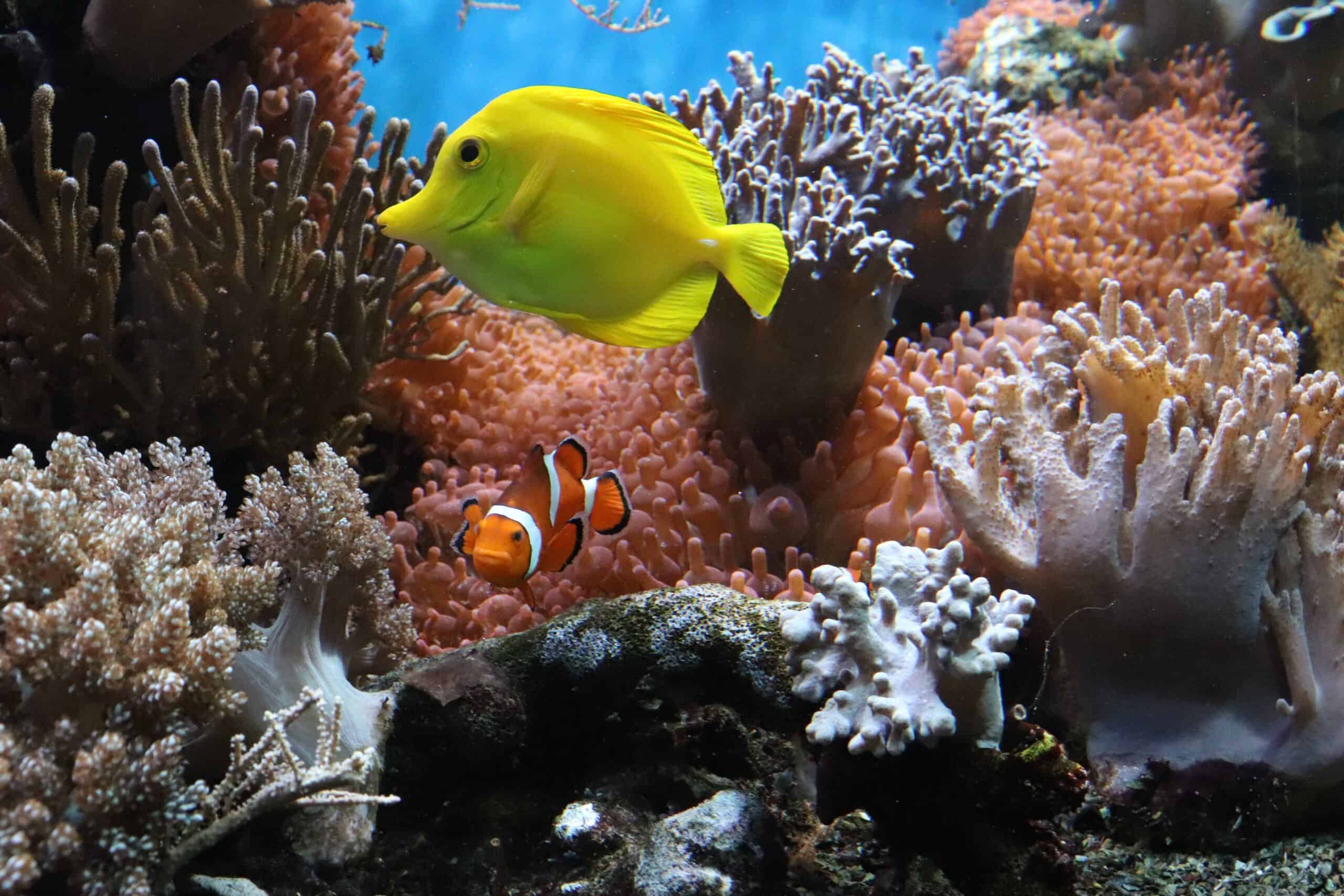
Coral reefs stretch for hundreds of miles throughout the ocean, treasure chests of color, studded with jewels of fish, mammals, and tiny organisms. Who built these vaults? A living creature called a coral polyp working in harmony with a certain strain of algae.
The polyp provides the framing for the coral reef: their hard bodies, which also double as a home for the algae. The algae provides food for the polyps and the exterior decorating for the reef: sprays of breathtaking color, attracting fish, bacteria, and other life.(1) What makes these seascapes so beautiful? Life. Life of many forms, many colors, many sizes.
Above the algae and the polyps’ skeletons glides the whitetip reef shark. Small compared to the other sharks found in the ocean, they are identified by the peaks of white color on two of their fins. These sharks hunt only at night, spending their days resting among the coral reefs. Often they stay at the same patch of coral reef for years at a time before moving on to another place.(2)
The orange clownfish is a readily recognized resident of the reefs. He is a flashy, brash fellow. Living among the paralyzing tentacles of the sea anemone, the clownfish seems to be immune to its venom due to a layer of mucus covering his body. His presence actually brings the sea anemone a food source because of the algae and parasites he carries, and his ability to lure other fish into the sea anemone’s reach.(3)
A duller gem in the chest is the ever smiling dugong. A frequent visitor of the Great Barrier Reef, the dugong grazes exclusively on grasses and algae. Using its floppy mouth and powerful lips, this sea cow jerks up food off the ocean floor. The bare strips left behind provide room for other kinds of grasses and algae to grow. Their eyesight is very poor, forcing them to rely heavily on the whiskers around their mouths and their sense of smell to find plants. The dugong is flabby with a rounded body for swimming ease.(4)
After a big breath of air, the dugong can remain submerged for up to eleven minutes at a time. The weight of its dense bones causes it to sink to the bottom, making grazing easy. Though they can grow to be nine hundred kilograms, their brains make up less than one percent of their body weight.(5)
Large, tiny, bright, dull – the coral reef is full of life. The algae feeds the polyps, the polyps house the algae; the clownfish benefits the sea anemone, the sea anemone protects the clownfish from predators. Our Creator loves life, He loves beauty, and His wisdom is demonstrated in His design.
“The glory of the Lord shall endure for ever: the Lord shall rejoice in His works.” (Psalm 104:31)
“And God created great whales, and every living creature that moveth, which the waters brought forth abundantly, after their kind, and every winged fowl after his kind: and God saw that it was good.” (Genesis 1:21)
By Phoebe Knapp